A single waterfront street, a handful of baroque palaces, two small islands, and a pace of life that seems entirely untouched by the modern world — Perast is one of the most quietly beautiful towns on the entire Adriatic coast.
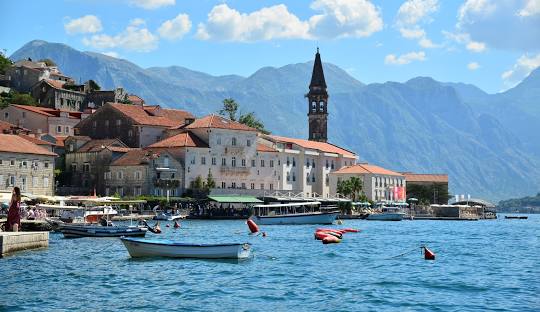
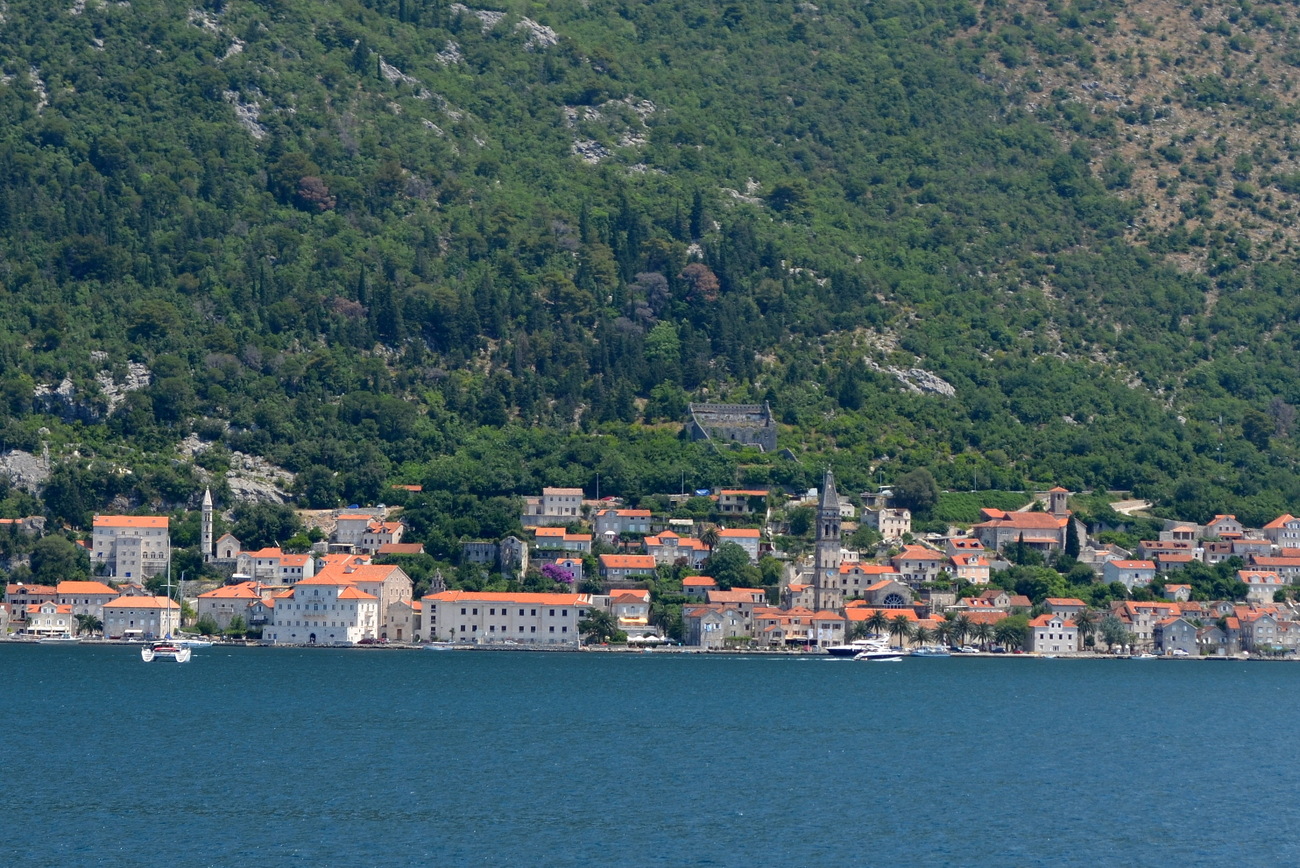
There are places that reward the traveller who slows down, and Perast is one of them. Strung along a single narrow road on the northern shore of the Bay of Kotor, this small baroque town has no beaches to speak of, no nightlife, and almost no traffic from May to September when the centre is closed to cars. What it does have is some of the most atmospheric streetscapes in Montenegro — stone palaces built by wealthy sea captains, a series of churches dating back as far as the 9th century, and a view across the water that has barely changed in three hundred years.
The Town
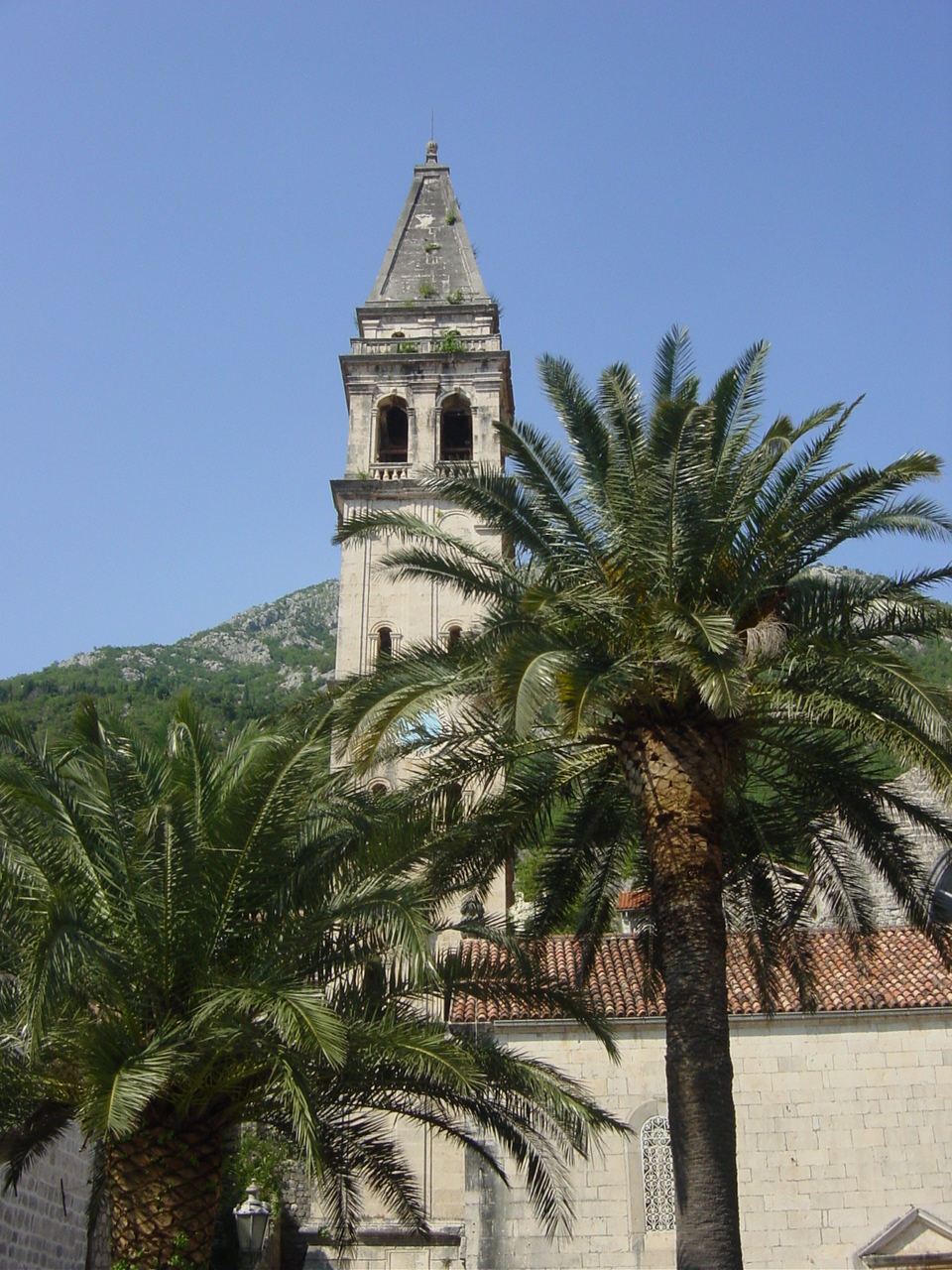
Perast reached its peak during the 17th and 18th centuries, when it was one of the most important maritime towns in the Adriatic under Venetian rule. The sea captains and merchants who made their fortunes here built the palaces that still line the waterfront today, many of them in various states of elegant decay. The church towers — there are more than a dozen within the small town — punctuate the roofline at every turn. The pace is genuinely slow. Most visitors arrive as part of a day trip from Kotor, stay for an hour or two, and leave. Those who linger into the evening, when the tour groups have gone and the light over the bay turns golden, tend to understand why the town has such a devoted following.
Our Lady of the Rocks
A few hundred metres offshore, the small artificial island of Gospa od Škrpjela — Our Lady of the Rocks — is the defining image of Perast and one of the most unusual landmarks in the entire region. According to local legend, two fishermen discovered an icon of the Virgin Mary on a small reef in 1452 and vowed to build a church on the spot. Over the following two centuries, sailors returning from successful voyages were required to drop a stone at the site, and old and captured ships were scuttled around the reef until a stable island had been built. The church that stands today dates largely from 1630, with its distinctive blue cupola added in the early 18th century. Inside, 68 paintings by the Montenegrin Baroque master Tripo Kokolja line the walls, along with a remarkable tapestry woven over 25 years by a local woman named Jacinta Kunić — worked in silk, gold, and silver thread, with strands of her own hair woven into the angels' figures. The tradition of stone-laying is still observed every year on 22 July during the Fašinada festival, when a procession of decorated boats makes its way from Perast to the island. Small boats run to the island from the Perast waterfront throughout the day.
Saint George
Just beside Our Lady of the Rocks sits the natural island of Sveti Đorđe, home to a Benedictine monastery from the 12th century and a small graveyard shaded by tall cypress trees. Unlike its neighbour, Sveti Đorđe is not open to visitors, but it forms an integral part of the view and the atmosphere of the bay.
Getting There
Perast is about 12 kilometres north of Kotor along the coastal road and is easily reached by car or local bus. The drive takes around 15 to 20 minutes. There is parking at either end of the town, and a small buggy service runs along the waterfront during the summer months when the central street is closed to traffic. Most visitors combine Perast with a visit to Kotor as part of a broader exploration of the Bay of Kotor.
Getting there
From Podgorica Airport
95 km
From Tivat Airport
20 km